
At fistula repair camps across Uganda, a concerning trend is becoming more visible: more women are developing fistula injuries not during prolonged labor at home, but as a result of complications during surgical delivery.
These iatrogenic fistulas – injuries that occur during medical procedures – highlight both the increasing access to emergency obstetric care and the gaps that still exist in surgical capacity and quality.
At the Busolwe fistula camp in February, two women, Nawanga Hadija and Nadongo Alice, arrived with similar stories.
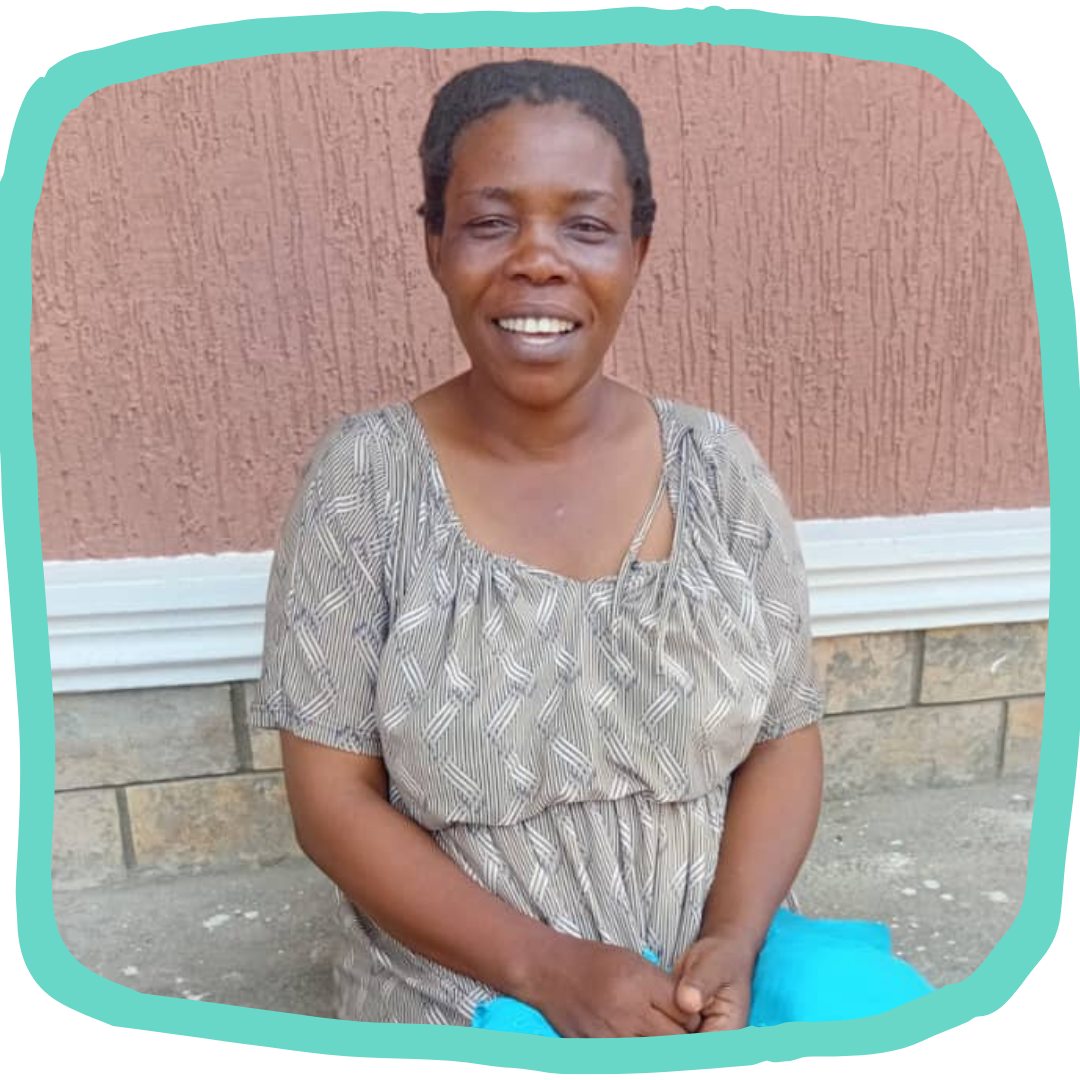
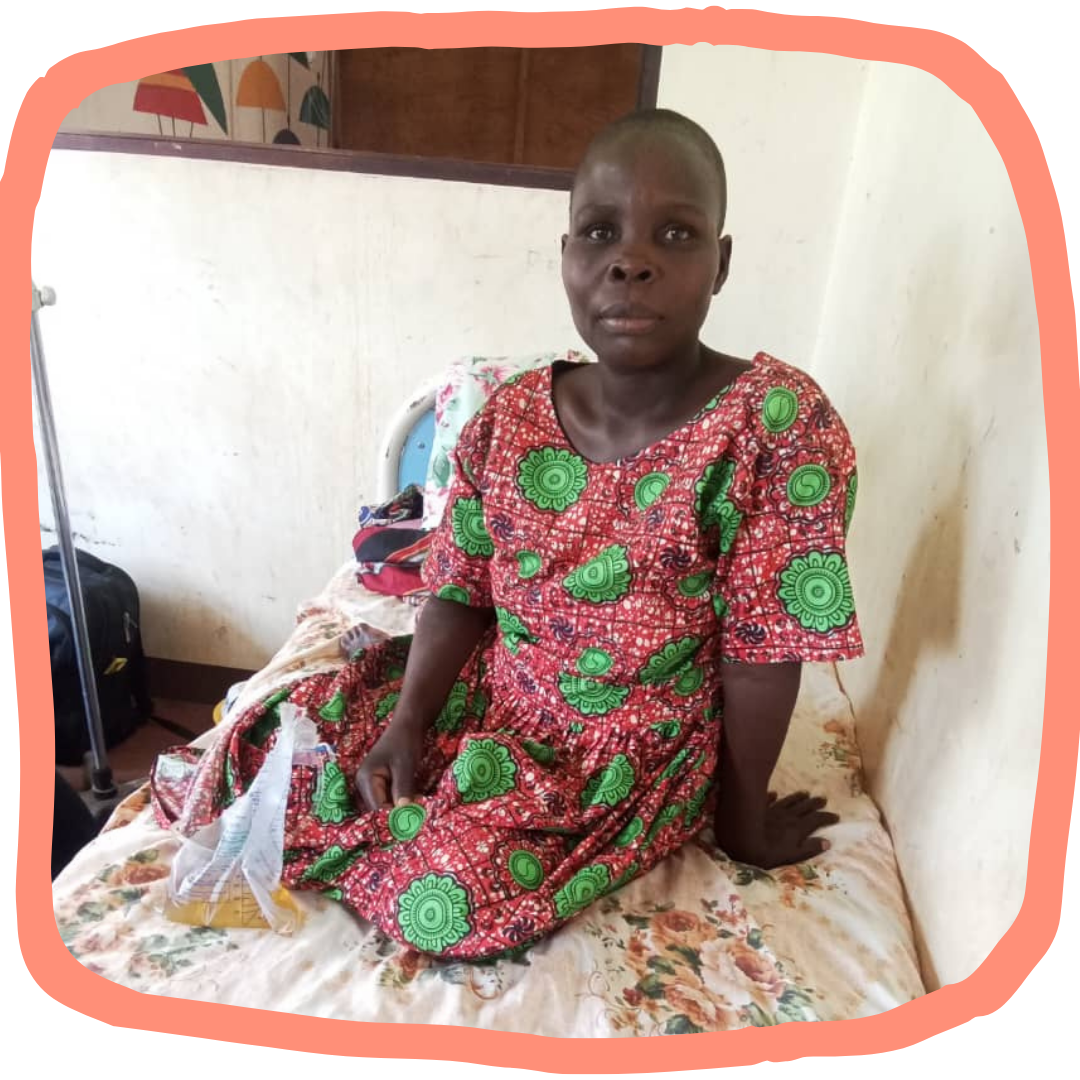
Hadija, a mother of seven, developed her injury during a surgical delivery that damaged her bladder. In the weeks that followed, she began experiencing continuous leaking. The condition quickly disrupted her daily life. She withdrew from her community and spent what little money she had on supplies to manage the incontinence.
Alice’s experience followed a similar path. After delaying to reach a health facility during labor, she required surgery. Soon after, she also began to experience constant leaking. The condition placed financial strain on her family and made it difficult to fully participate in community life.
While their experiences differed in detail, both women shared a common reality: they developed fistula as a result of care they sought during childbirth.
For both Hadija and Alice, the path to treatment came through community connections. Hadija was identified by a fistula ambassador who visited her home and referred her to the Busolwe camp. Alice’s family similarly received contact information for a fistula ambassador, who helped guide them through the referral process to reach care.
At the camp, both women underwent surgery and both left healed.
Now, they are beginning to look ahead.
Hadija hopes to return to her small clothing business and regain stability in her daily life. Alice plans to resume farming and, if possible, start a small business to support her family.
Both expressed deep gratitude for the care they received and the opportunity to begin again.
Their stories reflect both progress and challenge. More women are reaching health facilities for delivery, but the rise in iatrogenic fistula underscores the need for continued investment in surgical training, supervision, and quality of care.
At the same time, their recoveries highlight what is possible when referral networks, outreach efforts, and specialized surgical services come together.
With the right care, even the most difficult outcomes can be reversed—and women can return to their communities with dignity, health, and hope.